

Best Walking Routes at Birštonas — Pace and Distance
Three main paths range from gentle 15-minute loops to longer one-hour routes. We break down distance, difficulty, and best times to walk.
Read ArticleThermal waters contain minerals that reduce inflammation. We explain which minerals do what and why seniors notice relief in weeks.
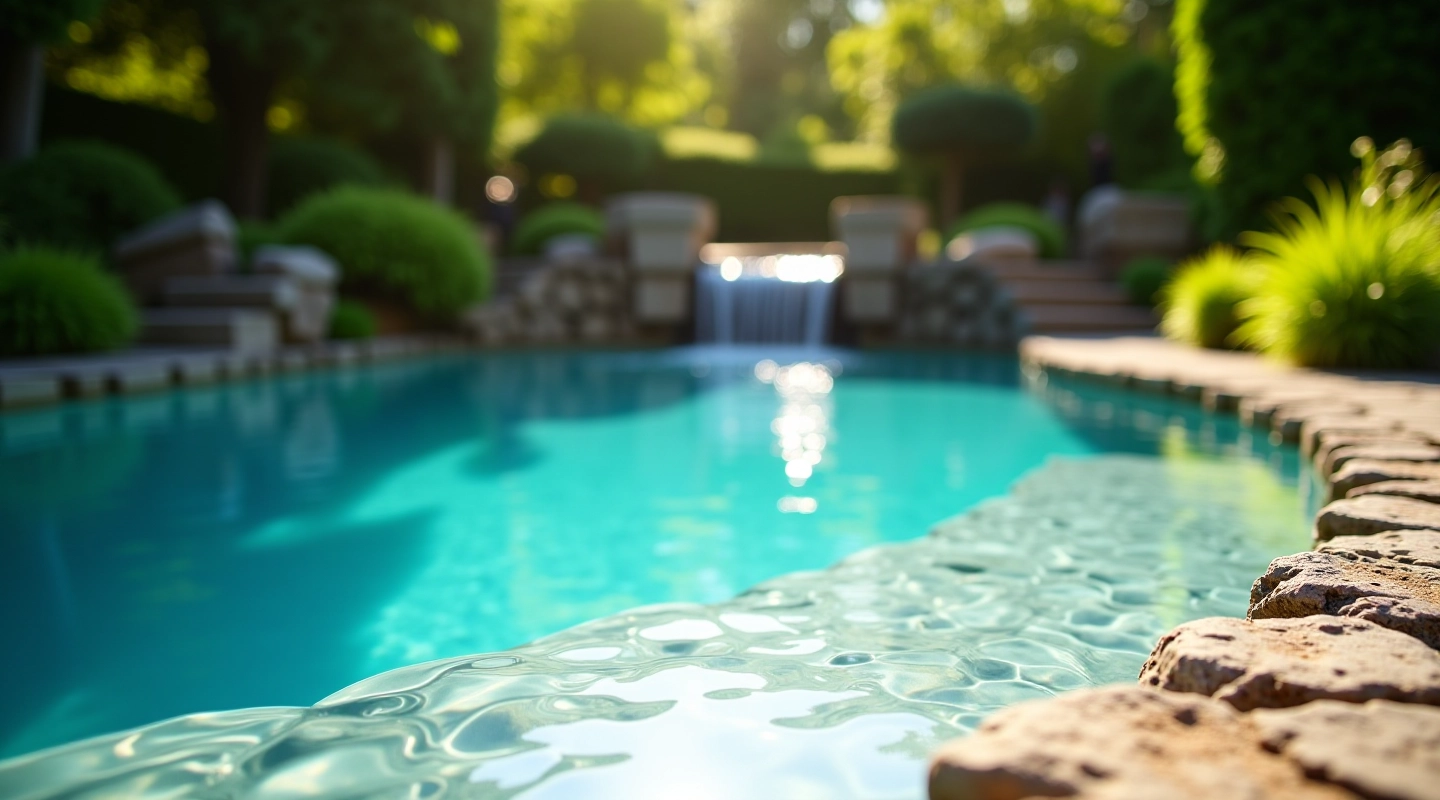
Mineral water isn't just regular water with some extras thrown in. It's genuinely different from what comes out of your tap. The minerals dissolved in thermal spring water — calcium, magnesium, sulfur, and silica — actually interact with your body in measurable ways.
When you soak in thermal water, your skin absorbs these minerals. They're not there by accident. Over millions of years, water filtered through rock deep underground picks up these elements. What comes back to the surface is water that's been naturally enriched.
Here's what actually happens when you're in thermal water. The warmth alone increases blood flow to your joints — that's just basic physiology. But the minerals add another layer. They're small enough to penetrate your skin and reach the tissue beneath.
Magnesium specifically blocks calcium channels that trigger muscle contractions. When your muscles aren't constantly tensing up, the pressure on your joints decreases. That's why you'll feel looser after just one session, but real relief takes a few weeks of regular visits.
Sulfur works differently. It's actually part of the cartilage matrix — the structure that cushions your joints. When sulfur levels drop (which happens with age), cartilage gets thinner and stiffer. Thermal water with sulfur helps rebuild that cushioning layer.
Relief doesn't happen overnight, but it's consistent. Most people notice patterns if they visit regularly.
You'll feel the warmth immediately. Muscles relax, stiffness eases for a few hours afterward. This is the heat effect, mostly.
You'll notice the relief lasts longer after each visit — sometimes a day or two. Minerals are accumulating in your system. Morning stiffness starts to improve.
Most people report noticeable changes by week 6. Range of motion improves. Pain that flares up after activity settles faster. You're sleeping better too.
With consistent visits (2-3 times per week), cartilage rebuilding actually accelerates. You're moving differently — less guarding, more confidence in your joints.
Not everyone experiences the same timeline. Several things influence how quickly you'll feel better.
Two visits per week shows better results than once a month. Your body needs consistent mineral exposure to build up benefits.
Warmer water (36-38°C) improves circulation more than cooler mineral pools. You're soaking longer in warmer water too.
30 minutes is the sweet spot. Less than 20 minutes and you don't get enough mineral absorption. More than 45 minutes doesn't add extra benefit.
If you've had joint pain for 20 years, it'll take longer than if it's recent. But improvement still happens — just at a different pace.
Drink water before you soak. You're losing fluids even though you're in water. After soaking, drink more. Your body's absorbing minerals and needs to flush properly.
If you're using both warm mineral pools and cooler ones, spend most time in the warmer pool. Jumping between temperatures stresses your joints instead of relaxing them.
Two 30-minute sessions per week works better than one long 90-minute session. Your body absorbs minerals gradually. Regular exposure is what creates lasting change.
Morning visits work well if you have morning stiffness. You'll feel loose for your whole day. Afternoon visits help if pain builds up from activity during the day.
Joint relief is the main reason people come to thermal springs, but it's not the only benefit. The minerals and warmth affect your whole body.
Your skin improves noticeably. Silica and sulfur rebuild collagen. People often comment that their skin looks healthier after a few weeks of regular visits. Sleep quality jumps up — the combination of mineral absorption and relaxation creates deep sleep that actually heals tissue.
Stress decreases measurably. That's not just the relaxation feeling — the warmth actually lowers cortisol levels. You're breathing easier in the warm air too, which helps your whole nervous system settle down.
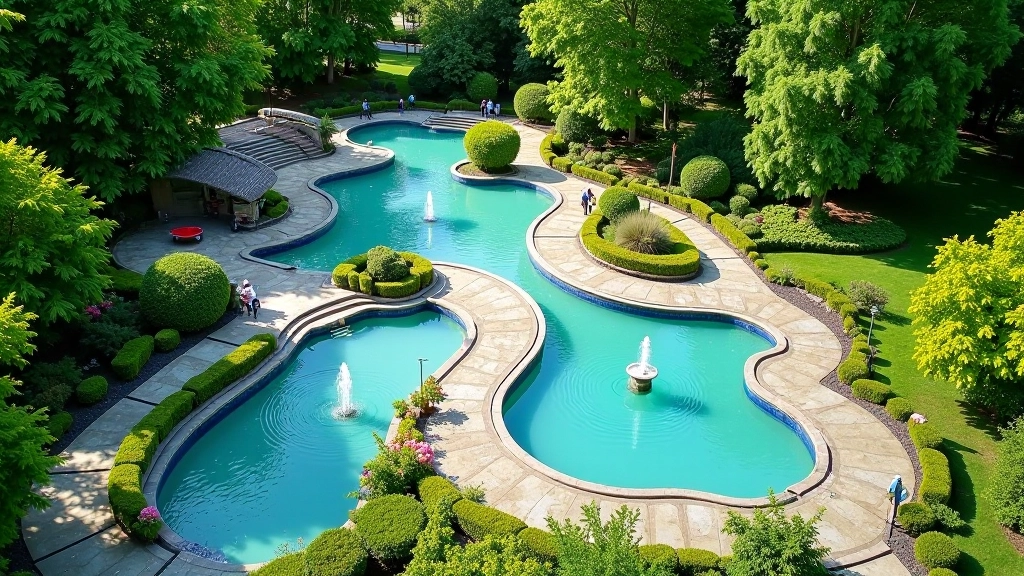
The science is solid. Mineral water works for joint health because the minerals actually do something — they're not placebos. You'll feel immediate warmth benefits, and if you stay consistent, you'll notice real changes in how your joints feel and move.
Start with twice-weekly visits. Give it six weeks. You're looking for reduced morning stiffness, less pain after activity, and better range of motion. Most people notice at least one of these by week four.
Thermal water won't replace medical treatment for serious joint conditions, but it's a proven support. It's gentle, natural, and it actually works. That's why people have been soaking in thermal springs for thousands of years.
This article provides educational information about thermal mineral water and its potential benefits for joint health. It's not medical advice. If you have serious joint conditions, pain that's getting worse, or you're taking medications that affect your circulation, talk with your doctor before starting thermal water visits. Some people shouldn't use hot water due to blood pressure conditions or skin sensitivities. Your healthcare provider can tell you if thermal springs are appropriate for your specific situation.
Learn more about thermal spring wellness and planning your visits.
Three main paths range from gentle 15-minute loops to longer one-hour routes. We break down distance, difficulty, and best times to walk.
Read Article
Thermal pools stay between 32-38°C. We explain how heat affects blood pressure, when to be cautious, and safety tips for different conditions.
Read Article
Birštonas opens year-round with seasonal variations. We cover busy times, best days to visit, what to bring, and how to prepare.
Read Article