
Understanding Mineral Water Benefits for Joint Health
Thermal waters contain minerals that reduce inflammation. We explain which minerals help, how they work, and what to expect when you visit.
Thermal pools stay between 32-38°C. We explain how heat affects blood pressure, why gradual entry matters, and safety guidelines for a comfortable experience.
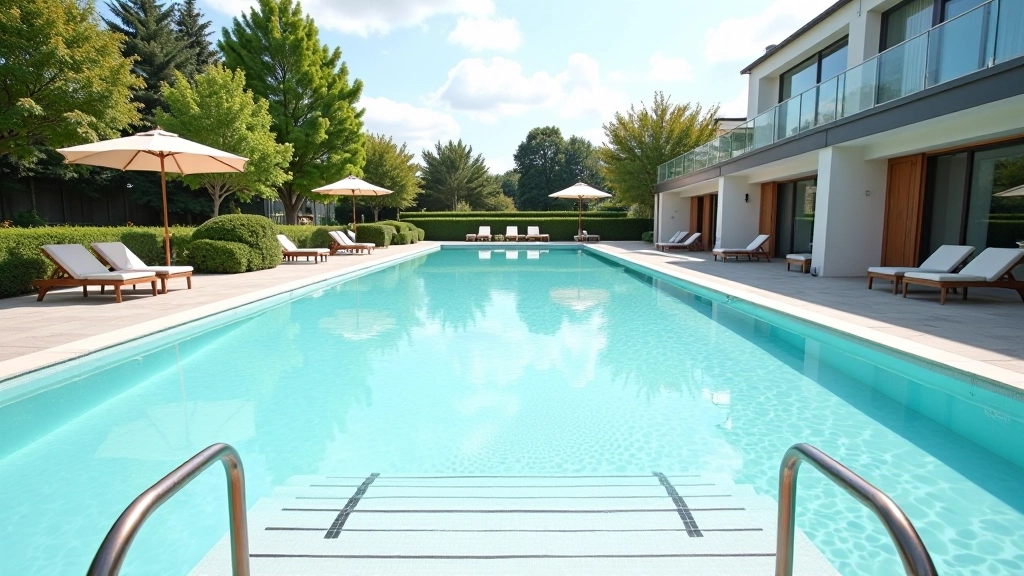
Warm water isn't just comfortable — it's how your body responds to heat that really counts. When you're 65 or older, your cardiovascular system reacts differently to temperature changes than it did when you were younger. That's not a problem if you know what to expect. Most seniors enjoy thermal water safely when they understand the basics.
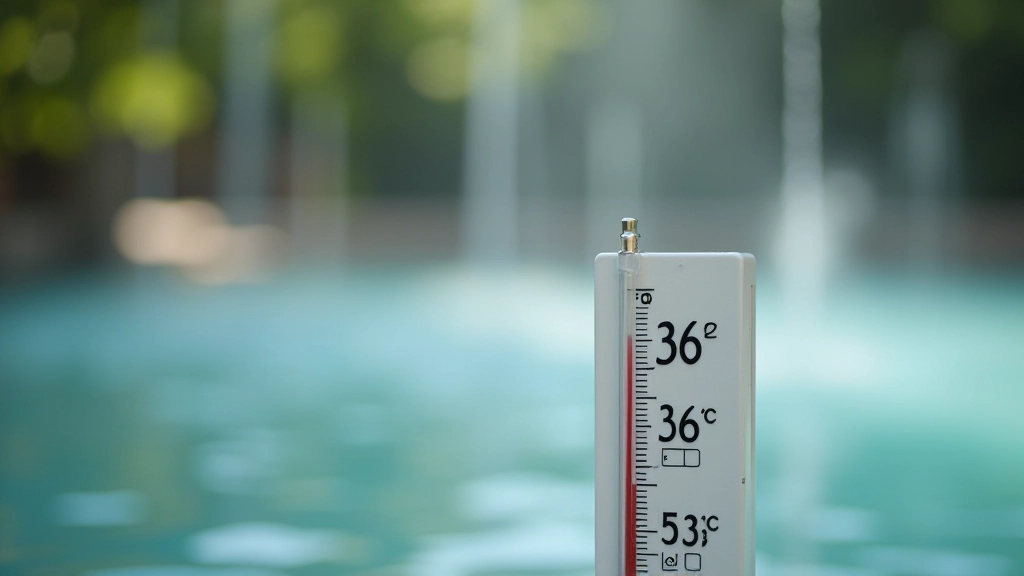
The thermal springs at Birštonas maintain temperatures between 32-38°C (90-100°F), which is significantly warmer than regular pool water. This warmth does wonderful things for stiff joints and tight muscles. But it also means your heart works a bit harder, your blood pressure can shift, and you need to be intentional about how you enter the water and how long you stay in.
When you step into water that's 35°C, your skin receptors immediately signal your brain. Your blood vessels near the surface dilate — that means they expand — to help cool you down. This is a normal response. Your heart rate increases slightly, usually by 5-15 beats per minute depending on the individual.
For most healthy older adults, this is fine. But here's what matters: your blood pressure can drop when you first enter warm water. That's because the heat causes your blood vessels to relax and expand. If you jump in quickly or go in too deep right away, you might feel lightheaded or dizzy.
Gradual entry is everything. Start with your feet, then ankles, then slowly wade deeper. Give your body 2-3 minutes to adjust before you're fully submerged.
People with existing heart conditions, high blood pressure, or those taking medications should talk to their doctor first. Most thermal spring facilities have staff who understand these concerns and can answer specific questions about your health situation.
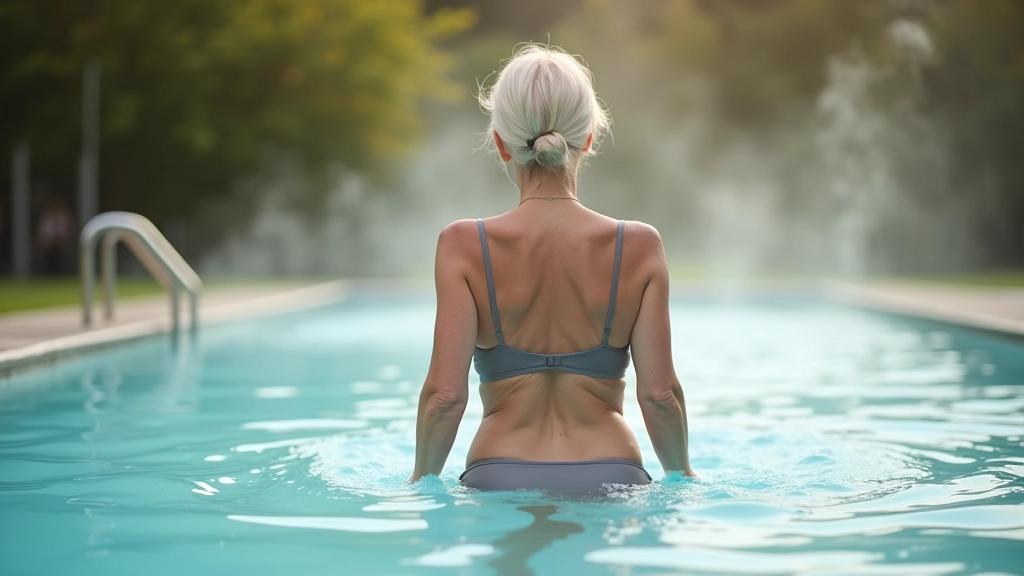
You don't want to stay in thermal water indefinitely. The general guidance for older adults is: start with 15-20 minutes your first time, then work up to 30-45 minutes maximum on subsequent visits. Some people find 20 minutes is their sweet spot — enough time to feel the benefits without overdoing it.
Temperature matters more than you might think. Water at 32°C feels warm but not overwhelming. At 38°C, which is the upper end, even a few minutes can feel intense. Most thermal springs at Birštonas sit around 35-36°C, which is warm enough to be therapeutic but not so hot that it stresses your system.
Dizziness, nausea, rapid heartbeat, or shortness of breath mean you should exit the water immediately. These aren't normal sensations — they're your body's way of saying enough. Trust them.
Cool down gradually after you exit. Don't jump into a cold shower. Your body needs time to readjust to normal temperature. Sit in a shaded area for 10-15 minutes, drink water, and let yourself relax.
Certain medications interact with heat exposure. Blood pressure medications, for example, might be affected because warm water naturally lowers blood pressure. If you're on diuretics (water pills), you'll want to be extra cautious about dehydration since warm water makes you sweat more.
People with diabetes should be especially careful. Heat can affect how your body processes insulin. Some people find their blood sugar drops faster when they're in warm water. It's worth monitoring how you feel and discussing thermal spring visits with your doctor if you're insulin-dependent.
Arthritis? That's actually one of the best reasons to visit thermal springs. The warm water reduces joint stiffness and the buoyancy takes pressure off your knees and hips. Just remember to move gently and don't overdo it with exercise while you're in the water.

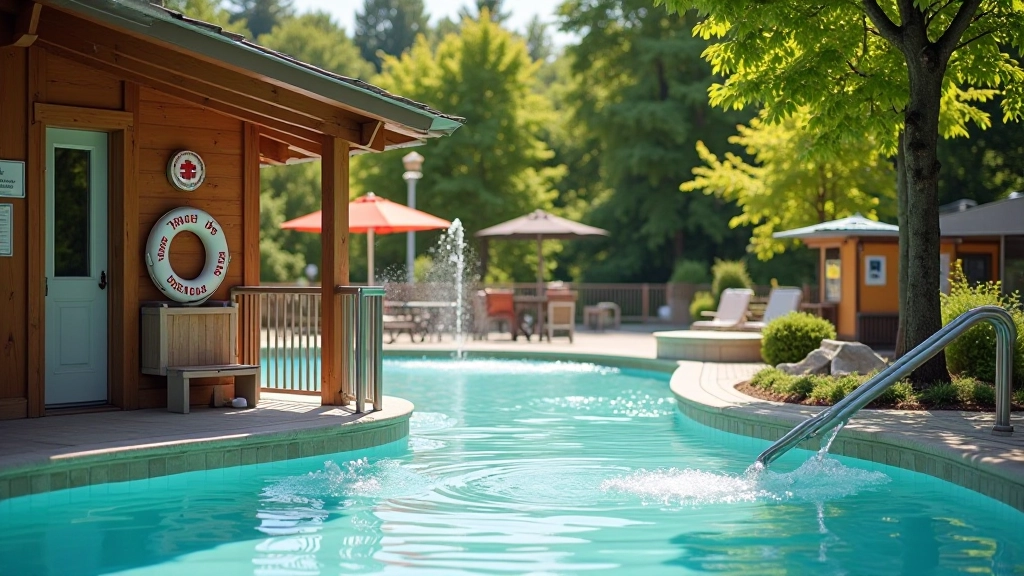
Go with someone. Whether it's a friend or family member, having another person there means someone can notice if you're not feeling right. Many thermal spring facilities encourage this. Plus, it's more fun with company.
Bring water. Yes, even though you're surrounded by water, you need to drink water. The heat makes you dehydrated faster than you realize. Sip water throughout your visit — aim for a glass before you enter and another after you exit.
Wear non-slip footwear. Thermal pools are often slippery. Most facilities provide sandals or you can bring your own. Those few extra seconds of stability when entering and exiting make a real difference.
Check the facility's safety features. Good thermal spring locations have staff on duty, handrails in the water, shallow entry areas, and clear signage about water temperature. Birštonas facilities are designed with accessibility for older visitors in mind — multiple entry points, gradual depth changes, and helpful staff.
Thermal water is wonderful for seniors when you approach it thoughtfully. The warmth genuinely helps with arthritis, circulation, and general relaxation. You're not overreacting by being cautious — you're being smart.
Enter gradually. Stay for 20-45 minutes. Cool down slowly afterward. Bring water. Go with someone you trust. Talk to your doctor if you have heart conditions or take medications that might be affected. These simple steps make the experience both safe and genuinely beneficial.
Thermal springs have been used for wellness for centuries. There's real science behind why they feel so good. You can enjoy that benefit fully when you respect how your body responds to heat.
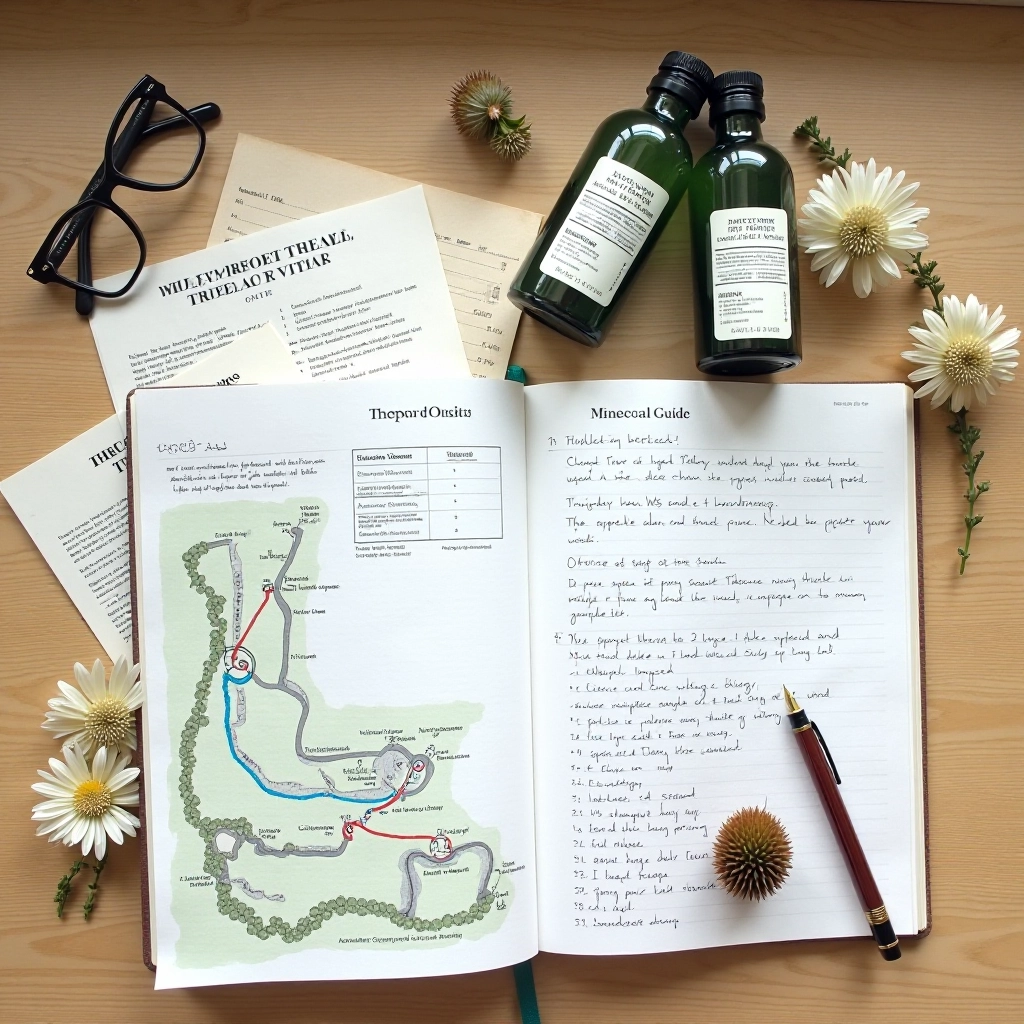
Editorial Team
Prepared by the Birštonas Editorial Team, focused on honest guidance for thermal spring park relaxation and senior wellness travel.
This article provides educational information about thermal spring safety for older adults. It's not medical advice. If you have heart conditions, high blood pressure, diabetes, or take medications affecting blood pressure or circulation, consult your doctor before visiting thermal springs. Every person's health is different. What works well for one person might not be right for another. Thermal spring facilities have trained staff who can answer specific questions about your situation. When in doubt, ask them directly or talk to your healthcare provider.
Thermal waters contain minerals that reduce inflammation. We explain which minerals help, how they work, and what to expect when you visit.
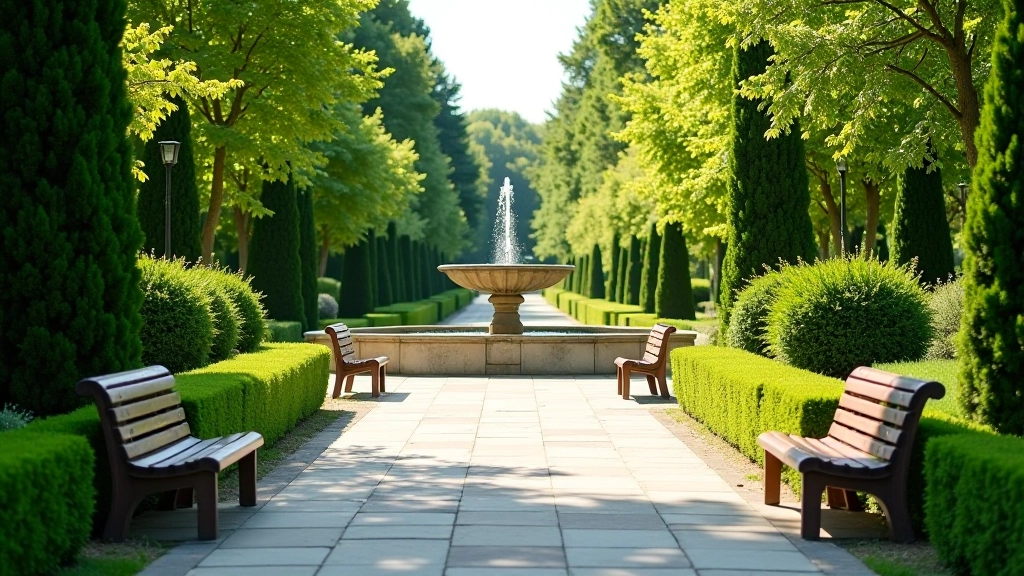
Three main paths range from gentle 15-minute loops to longer one-hour routes. We cover terrain, rest points, and what to expect on each.
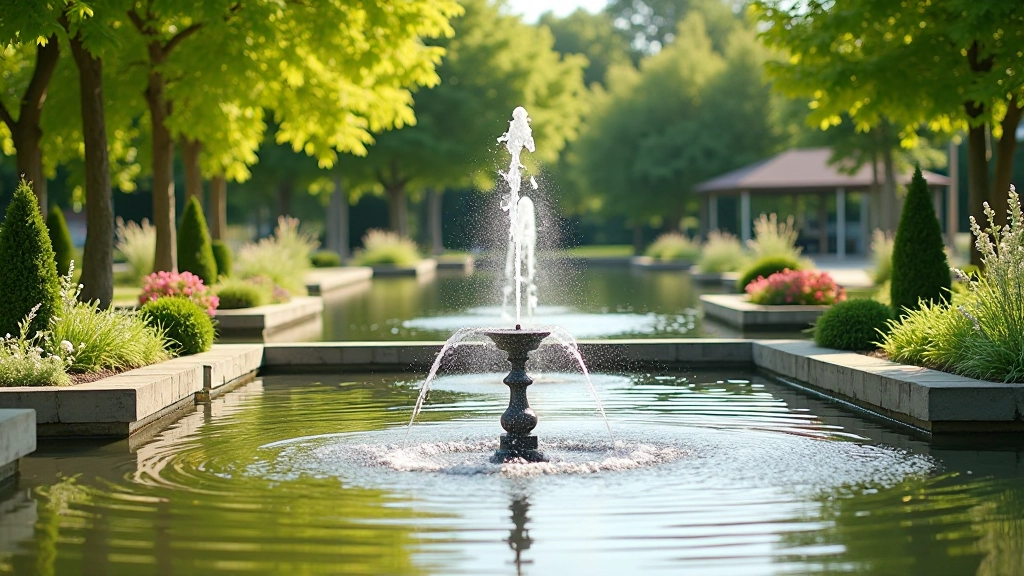
Birštonas opens year-round with seasonal variations. We cover busy times, best days to visit, what to bring, and how to get there.